Imagine a world where kids are fueled by curiosity, diving into the wonders of science like it’s a cannonball contest but with beakers instead of water. Science summer camp is not just a place to escape the mundane: it’s a launchpad for young minds to soar. Whether they want to unravel the mysteries of the universe or simply create a volcano that erupts with baking soda and vinegar, this camp brings out their inner scientist. Plus, who wouldn’t want to spend their summer solving problems and conducting experiments rather than lounging on the couch? Let’s unlock the secrets of these magical camps and see why they’re worth considering.
Why Choose a Science Summer Camp?
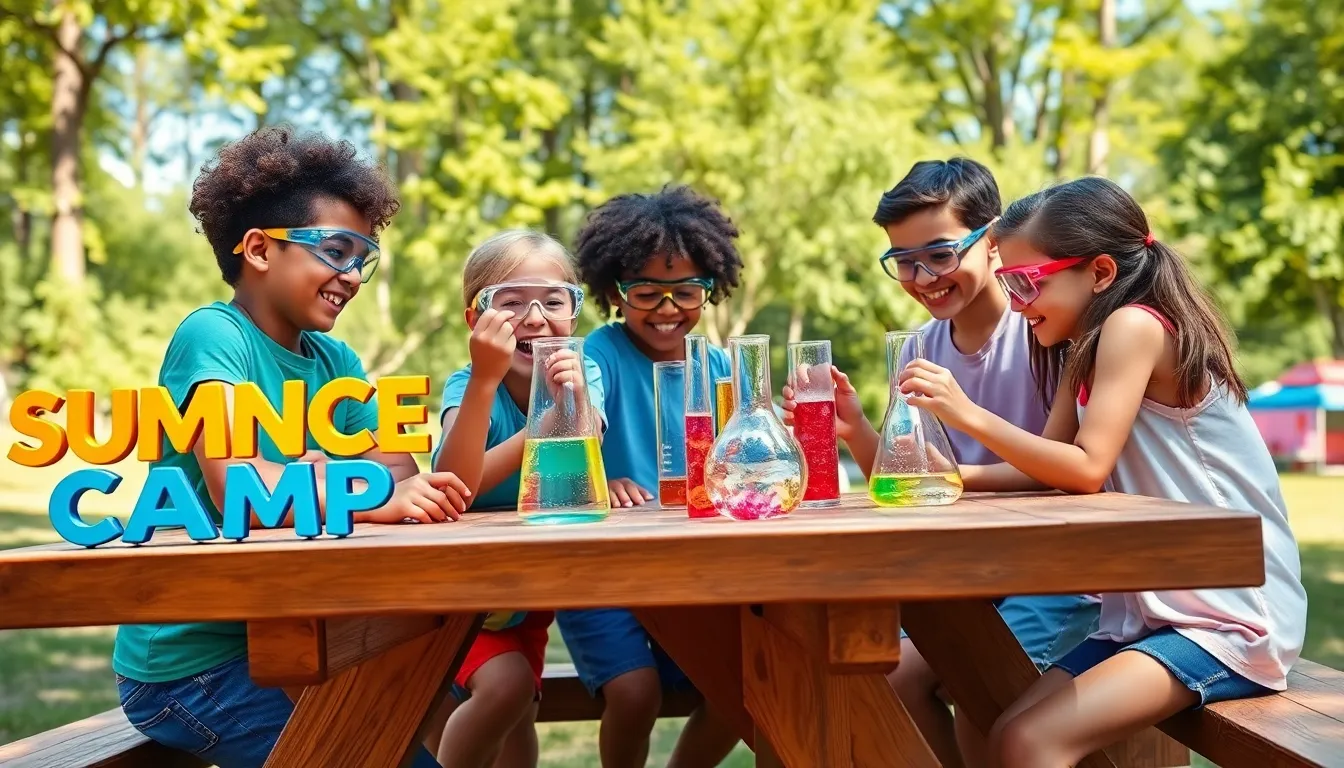
Science summer camps are a treasure trove of opportunities for young explorers. They not only provide a space for kids to indulge in their fascination with the natural world but also blanket them with benefits that last well beyond summer.
Benefits of Participating in Science Camps
One of the most significant perks of attending a science summer camp is the boost in understanding and interest in STEM subjects, science, technology, engineering, and mathematics. Kids may come home brimming with newfound knowledge and the drive to explore further. Research shows that early exposure to these disciplines can significantly impact academic performance later on.
Enhancing Skills Through Hands-On Learning
Forget traditional classroom lessons filled with textbooks and lectures: science summer camps bring theories to life through engaging, hands-on experiences. Campers conduct experiments, build projects, and participate in simulations that help solidify their understanding. Engaging tactile activities allow participants to explore principles like gravity and chemical reactions firsthand, reinforcing their learning in a way that words on a page simply cannot.
Fostering Teamwork and Collaboration
Science is not a solo marathon: it’s often a team sport. Camps cultivate an environment where kids learn to collaborate effectively. Whether they’re building a bridge out of spaghetti or investigating ecological systems for a group project, the lessons in teamwork they acquire will serve them well in their future careers. Learning to listen, negotiate, and work cohesively can create friendships that last well beyond the campfire sing-alongs.
What to Expect at a Science Summer Camp
Preparation is key when attending a science summer camp. Parents often wonder what experiences await their budding scientists. Knowing what to expect can put both campers and their families at ease.
Camp Activities and Programs
The curriculum at science summer camps is as diverse as the campers themselves. From robotics workshops to wildlife studies, activities are designed to engage students’ creativity and intellect. Expect lots of hands-on projects, competitions, and perhaps even a science fair at the end of camp, where kids can showcase their experiments. It’s not just about learning, it’s about having fun while doing so.
Age-Appropriate Learning Modules
Science camps typically cater to various age groups, ensuring that all campers get an appropriate level of challenge. Younger kids might explore basic chemistry and biology through exciting experiments, while older campers could dive deeper into physics or even coding. Tailored programs ensure that each child’s experience is not just meaningful but also enjoyable.
Field Trips and Guest Speakers
Imagine spending a day exploring a local science museum or nature reserve. Many science camps incorporate exciting field trips that complement their curriculum. Guest speakers, often professionals in the science field, may drop by to share their expertise. These experiences spark inspiration and curiosity, allowing campers to visualize what a future in science could look like.
How to Choose the Right Science Summer Camp
With a plethora of options available, selecting a suitable science summer camp can be a challenging job. Parents should take several factors into account to ensure their child’s needs and interests are met.
Evaluating Camp Curriculum and Focus Areas
Before enrolling a camper, take a close look at the camp’s curriculum. Does it align with your child’s interests? Whether they are intrigued by biology, robotics, or environmental science, make sure the camp caters to that particular area of interest. A well-structured program will keep your child engaged and excited throughout their camp experience.
Considering Location and Duration
Location plays a crucial role in the decision-making process. Consider whether you prefer a day camp close to home or a residential camp that allows for overnight stays. Also, think about the duration. Some camps run for a week, while others may last all summer. Finding a program that fits your schedule and logistics is essential for a stress-free experience.
Reviews and Recommendations from Parents
Nothing beats word-of-mouth recommendations when it comes to choosing a summer camp. Hearing about other parents’ experiences can provide valuable insights into what to expect. Look for reviews online or even chat with other parents who’ve sent their kids to camps on your shortlist. This firsthand feedback can make a considerable difference in making an well-informed choice.
Tips for Preparing for Science Summer Camp
Preparation is vital to ensure a smooth transition for campers as they enter the exciting world of science summer camp. Here are some tips to help everyone get ready.
Packing Essentials for Campers
Packing for camp can feel overwhelming. But, a simple checklist can ease the pressure. Essential items typically include comfortable clothing, water bottles, sunscreen, and maybe a favorite science-themed book. Don’t forget to pack any necessary medications and a camera. Memories are best captured on film, and it’ll give campers something to look back on fondly.
Setting Goals and Expectations
Before the camp starts, sit down with the camper and have a candid chat about what they hope to achieve. Whether it’s mastering a new concept or making new friends, establishing those goals can help guide their experience. Encouraging them to embrace challenges rather than shy away from them will set a positive tone for their summer adventure.
Encouraging Curiosity and Engagement at Home
The excitement of science doesn’t have to stop once summer camp ends. Engaging in science-related activities at home expands upon what campers learn during their time at camp.
Encourage children to conduct simple experiments using household items or build projects together. Cooking can take on a scientific angle, after all, what is cooking if not a series of chemical reactions? Watching educational documentaries about nature, space, or technology can further inspire their interests and keep the spark alive long after camp concludes.