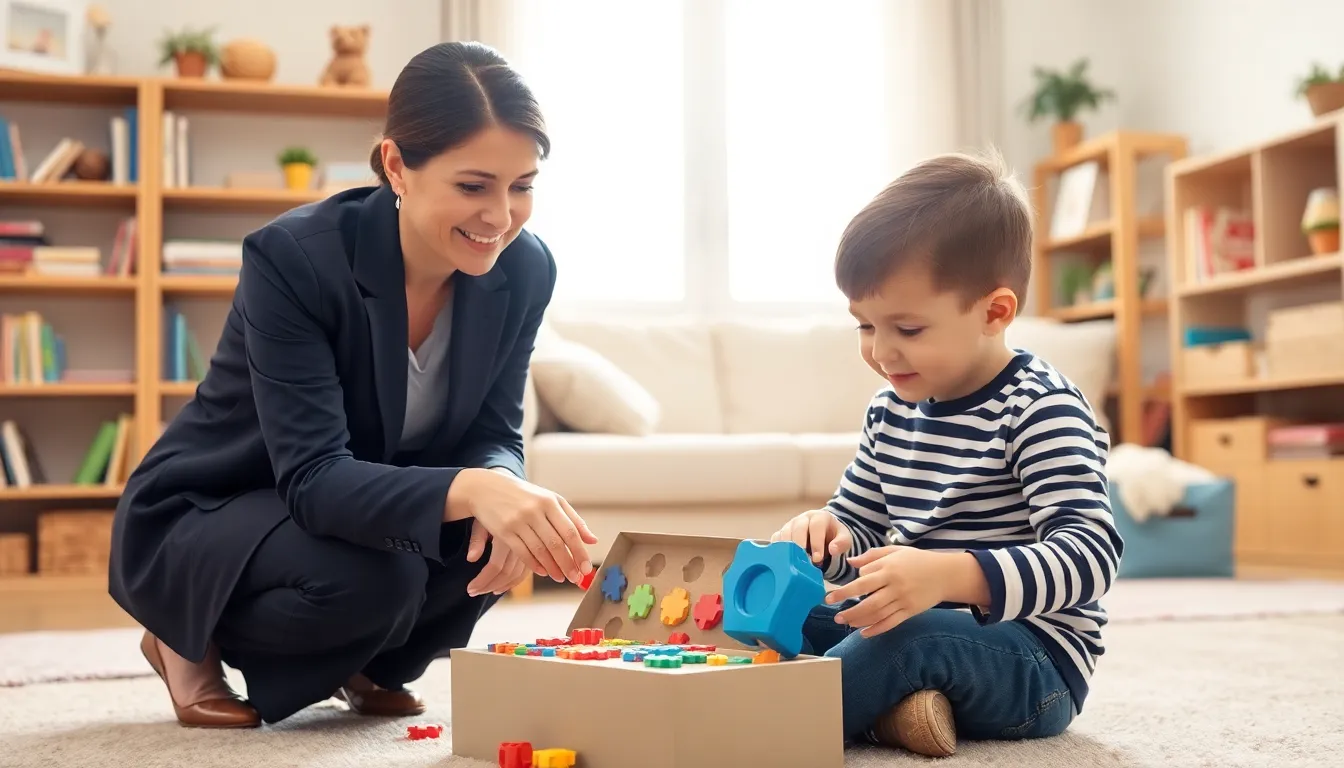
Navigating the world of parenting is no walk in the park, particularly when raising a child with mild intellectual disability. Imagine juggling a beach ball while walking on a tightrope, it’s all about balance, creativity, and a significant dose of humor. But, with the right insights and strategies, not only can parents thrive, but they can also create a nurturing environment where their child can flourish. So, let’s jump into practical ways to support these unique little thinkers and forge a path of understanding and growth.
Understanding Mild Intellectual Disability

Characteristics of Mild Intellectual Disability
Mild intellectual disability typically manifests in a range of cognitive challenges that can vary widely from child to child. Children in this category might have an IQ ranging from 50 to 70, which is below average yet allows for some independence in daily living. Common characteristics include difficulties with problem-solving, reasoning, and grasping abstract concepts. They may excel in social skills and have keen emotional awareness, making them excellent friends and companions.
Common Causes and Risk Factors
Understanding the root causes of mild intellectual disability is crucial for effective support. Factors can range from genetic issues such as Down syndrome to environmental influences, like exposure to toxins or maternal drug use during pregnancy. Premature birth or complications during delivery can also play roles. Recognizing these factors can help parents make informed decisions about their child’s care and needs.
Effective Strategies for Support
Creating a Nurturing Environment
A nurturing environment is vital for the emotional and cognitive development of a child with mild intellectual disability. This means creating a safe and loving home where the child feels free to express themselves. It’s like building a garden, providing the right soil, sunlight, and water. Parents can foster this growth by encouraging exploration and curiosity while ensuring that expectations are set at realistic levels.
Encouraging Independence and Life Skills
Independence is a beautiful gift that can significantly boost a child’s confidence. Activities like cooking, cleaning, or even grocery shopping together can be both fun and educational. Break down tasks into manageable steps. Encourage trial and error, allowing mistakes to happen. After all, isn’t life just one grand experiment?
Collaborating with Educational Professionals
Partnering with educational professionals is critical in a child’s development. Teachers, special educators, and therapists can provide tailored strategies that cater to the child’s unique needs. Regular communication ensures that everyone is on the same page, fostering a cohesive approach that benefits the child. It takes a village, and that village should include dedicated professionals.
Building a Support Network
Connecting with Other Families
Building a support network can alleviate some of the emotional burdens that parents face. Connecting with other families who have children with similar challenges can be an incredibly comforting experience. Whether through local groups or online forums, parents can share experiences, tips, and sometimes even a good laugh. Knowing that others are on the same path can make a world of difference.
Utilizing Community Resources
Communities often offer an array of resources for families navigating the journey of intellectual disabilities. These may include support groups, recreational programs, and specialized therapists. Parents should take advantage of these resources to enhance their child’s experience. It’s like having a toolbox: it’s great to know that extra tools exist when needed.
Navigating Challenges and Celebrating Progress
Addressing Emotional and Behavioral Issues
Emotional and behavioral issues can sometimes arise as a response to frustration or anxiety. Recognizing these signs early on is essential so parents can provide timely interventions. Techniques such as mindfulness exercises, structured routines, and open dialogues about feelings can help the child make sense of their emotions in a healthy way. Think of it as tuning a musical instrument, the goal is harmony, not perfection.
Celebrating Milestones and Achievements
Celebrating even the smallest victories can provide incredible motivation for both child and parent. Whether it’s mastering a new skill or simply having a good day at school, acknowledging these moments reinforces the child’s sense of accomplishment. Create a family tradition of ‘win jars’ where achievements are recorded and celebrated, making the experience more tangible and memorable.