Navigating the world of a kid with special needs? It can feel like trying to solve a Rubik’s Cube, the colors just don’t line up no matter how much you twist and turn. But don’t let that deter you. Understanding the nuances of special needs can be just as rewarding as finishing that puzzle. From unwrapping unique challenges to discovering resources, it’s a journey worth taking, especially if you’re wanting to build a kinder, more inclusive world. So, buckle up as we jump into the vital aspects of supporting kids with special needs.
Understanding Special Needs
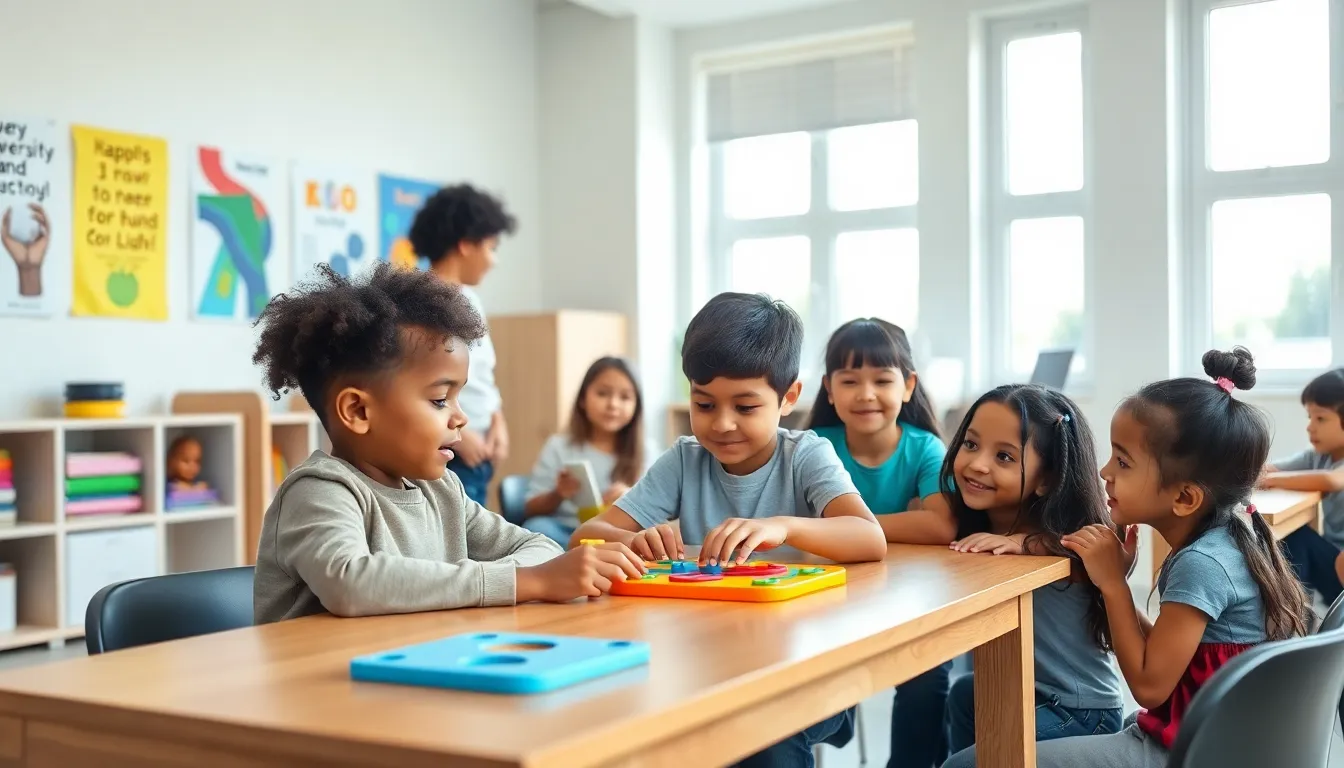
Special needs encompass a broad range of physical, cognitive, and emotional conditions that affect how a child develops and interacts with the world. Each child is uniquely different, requiring tailored support to thrive. Recognizing these needs means embracing that diversity, not as a hurdle, but as a spectrum of abilities. Did you know that one in six children in the United States have a developmental disability? Understanding special needs isn’t just about diagnoses: it’s about understanding each child’s individual story and journey. This foundation allows caregivers, educators, and the community to engage meaningfully and sensitively.
Types of Special Needs
When discussing special needs, it’s critical to highlight the various types that exist. These can include:
- Learning Disabilities: Conditions like dyslexia or ADHD affect how children process information, which can lead to struggles in traditional learning environments.
- Autism Spectrum Disorder: Characterized by a spectrum of communication and social interaction difficulties, autism requires understanding and patience.
- Physical Disabilities: Conditions that limit mobility or dexterity can challenge a child’s ability to participate in everyday activities.
- Emotional and Behavioral Disorders: Conditions like anxiety or oppositional defiant disorder impact social interactions and emotional health.
Each type of special need presents its own challenges and strengths. Understanding the even broader spectrum of these needs equips parents and educators with the knowledge required to foster effective support systems.
Emotional and Social Development Challenges
Children with special needs often face unique emotional and social development challenges. Their experiences may include:
- Social Interaction: Making friends can be daunting. The intricacies of social cues that come naturally to some might feel like a riddle to others.
- Self-Esteem Issues: Ongoing challenges in communication or socialization could lead children to develop feelings of inadequacy or frustration.
- Anxiety and Stress: Heightened anxiety levels often stem from feeling different or out of place in social situations.
Addressing these challenges takes patience and empathy. Open conversations about their feelings can empower kids, leading to resilience and growth. A strong support system can make a world of difference.
Supporting a Child With Special Needs
So how can you offer support to a child with special needs? It’s not a one-size-fits-all solution, but a few strategies can make a significant impact:
- Encouraging Open Communication: Create an environment where the child feels safe to express their thoughts and feelings. Listening actively fosters trust.
- Setting Realistic Expectations: Celebrate small victories. Understanding that progress might look different is vital to a child’s self-esteem.
- Providing Routine: Routines can provide considerable comfort and security, giving children a predictable environment to thrive.
- Involving Therapists: Whether it’s speech therapy, occupational therapy, or behavior modification, professionals can offer tailored assistance.
This support journey not only enhances their well-being but also fosters deeper relationships and trust.
Educational Resources and Strategies
Education plays a crucial role in a child with special needs’ life. It’s not just about academics: it’s also about building social skills and independence. Here are several resources and strategies:
- Individualized Education Programs (IEPs): Designed to cater specifically to each child’s unique needs. These programs ensure that every child receives personalized support.
- Specialized Support Staff: Hiring trained aides, special education teachers, and therapists can provide children the assistance they need to thrive at their own pace.
- Adaptive Technologies: Technology can be a game changer, from speech-to-text tools to educational apps aimed at making learning engaging and accessible.
- Parent Workshops and Training: Empowering parents with skills and knowledge on how to provide support at home is invaluable.
Inclusion and Community Support
Creating inclusive communities isn’t just about integrating children with special needs: it’s about fostering understanding and support from everyone around them. This can be achieved through:
- Community Awareness Programs: Educating the public about special needs can dismantle stigma and foster understanding.
- Inclusive Activities: Community centers can promote inclusive sports, art classes, or social events that encourage participation for everyone.
- Parental Support Groups: Connecting families of children with special needs creates a network where experiences, advice, and support can be shared.
An inclusive society benefits everyone, promoting empathy and understanding.