Imagine a world where your family gathers around a table, each dish telling a unique story. Family traditions are those quirky rituals that bring warmth to our homes, connecting us to our heritage. Whether it’s a yearly barbecue in the backyard or a festive gathering with bizarre costumes, these celebrations offer more than just a good time: they create lasting memories. In this text, we’ll explore how families worldwide celebrate their uniqueness, sharing insights into traditions that will make you chuckle and reflect on your own family’s quirks.
Understanding Family Traditions
The Importance of Family Traditions
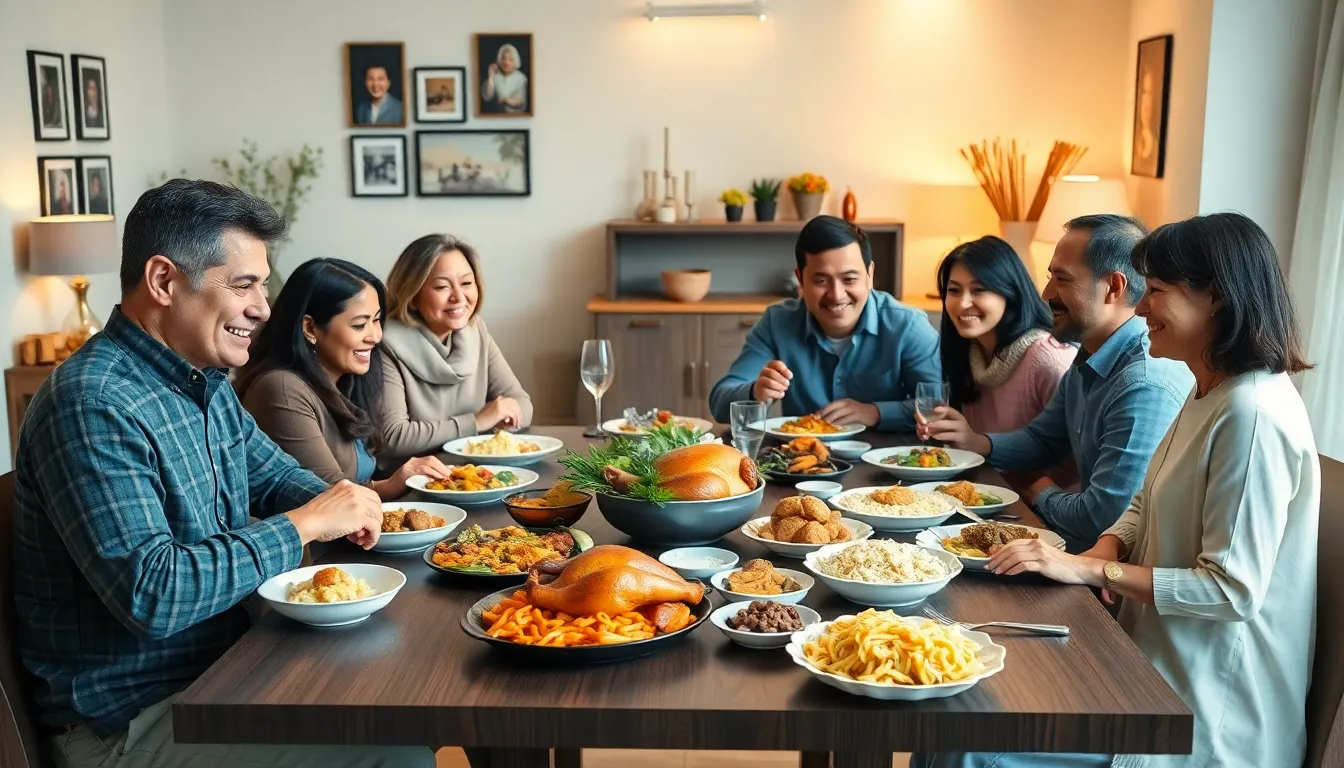
Family traditions act as the threads that weave together the fabric of society. They provide a sense of belonging and continuity, reminding individuals of their roots. Without these shared experiences, families might feel more disconnected than ever. Traditions can range from simple weekly dinners to elaborate holiday rituals, but each serves to strengthen bonds and foster love and understanding within the group.
Cultural Significance of Family Customs
Cultural customs serve as the expressive outlets of a family’s identity. They give voice to individual backgrounds and historical experiences, allowing personal values and beliefs to flourish. For example, certain customs might draw directly from a family’s ancestry, showcasing unique rituals that have been passed down through generations. When families celebrate these customs, they uphold cultural heritage and enrich their understanding of who they are.
Festivals and Celebrations
Unique Family Traditions From Different Countries
Every country offers its own colorful tapestry of family traditions. From passionate feasts to whimsical parades, each culture has something special to share.
North America
In the U.S., Thanksgiving puts a spotlight on family gatherings. Families come together, often traveling great distances, to share a meal that typically features turkey and cranberry sauce. This day is all about gratitude and togetherness, sparking stories around the dinner table.
Asia
In many Asian cultures, the Lunar New Year is a big deal. Families may honor their ancestors through various ceremonies, ensuring that the younger generations understand their lineage. The celebration often includes vibrant dragon dances and special dishes, symbolizing prosperity and good fortune.
Europe
In Italy, Sunday dinner is a cherished tradition. Families often gather for a multi-course meal, with laughter and stories flowing just as freely as the wine. This ritual nurtures familial bonds, providing a space for memories to be made and cherished.
Africa
Many African families celebrate life events with vibrant parties that may last for days. Weddings, for instance, are extravagant affairs filled with dance, music, and colorful attire. These celebrations reinforce community ties and highlight shared cultural values.
Oceania
In Australia, Christmas occurs in the summer, leading to some unique traditions. Families often celebrate with barbecues on the beach rather than cold-weather gatherings. This laid-back approach adds an element of fun and relaxation to the holiday.
Modern Adaptations of Family Traditions
Blending Traditions in Multicultural Families
Today’s families often comprise various cultural backgrounds, leading to delightful fusions of traditions. For example, a family might celebrate Christmas with traditional Western cuisine while incorporating unique dishes from their ancestral culture, creating a rich tapestry of experiences. This blending emphasizes adaptability and enhances family connections by allowing members to understand diverse perspectives.
Impact of Globalization on Family Customs
Globalization brings the world closer, impacting how families observe traditions. Various cultures intermingling can lead to the emergence of new norms. Think of how international holidays like Valentine’s Day gain worldwide popularity while simultaneously being modified to suit local customs. These phenomena reflect an evolving understanding of tradition, where adaptability becomes essential.
Preserving Traditions in a Changing World
The Role of Oral Traditions and Storytelling
Oral traditions hold immense value in preserving family customs. Storytelling creates a thread that connects generations, often providing insights into a family’s journey. Through anecdotes, wisdom can be transferred, helping young ones appreciate their heritage. These stories not only affirm cultural heritage but also reinforce familial ties, cementing the love and knowledge shared across generations.
Challenges in Preserving Family Traditions
While some customs thrive, others face challenges in a rapidly changing society. The fast-paced lifestyle and technological influences can erode traditional practices. Many families find it difficult to hold onto deep-rooted customs when life pulls in multiple directions. Balancing modernity with tradition requires intentional effort, reminding families of the importance of savoring these moments together.