Family traditions are like the special seasoning in Grandma’s secret recipe, essential, unique, and often a little quirky. They create a sense of belonging and pave the way for laughter-filled conversations and cozy moments. Think of them as those delightful little rituals that turn ordinary days into cherished memories. In a world moving rapidly toward instant gratification, family traditions stand as a testament to the value of connection and continuity. Let’s jump into why these traditions matter, explore various types, and learn how to keep them alive for generations to come.
The Importance of Family Traditions
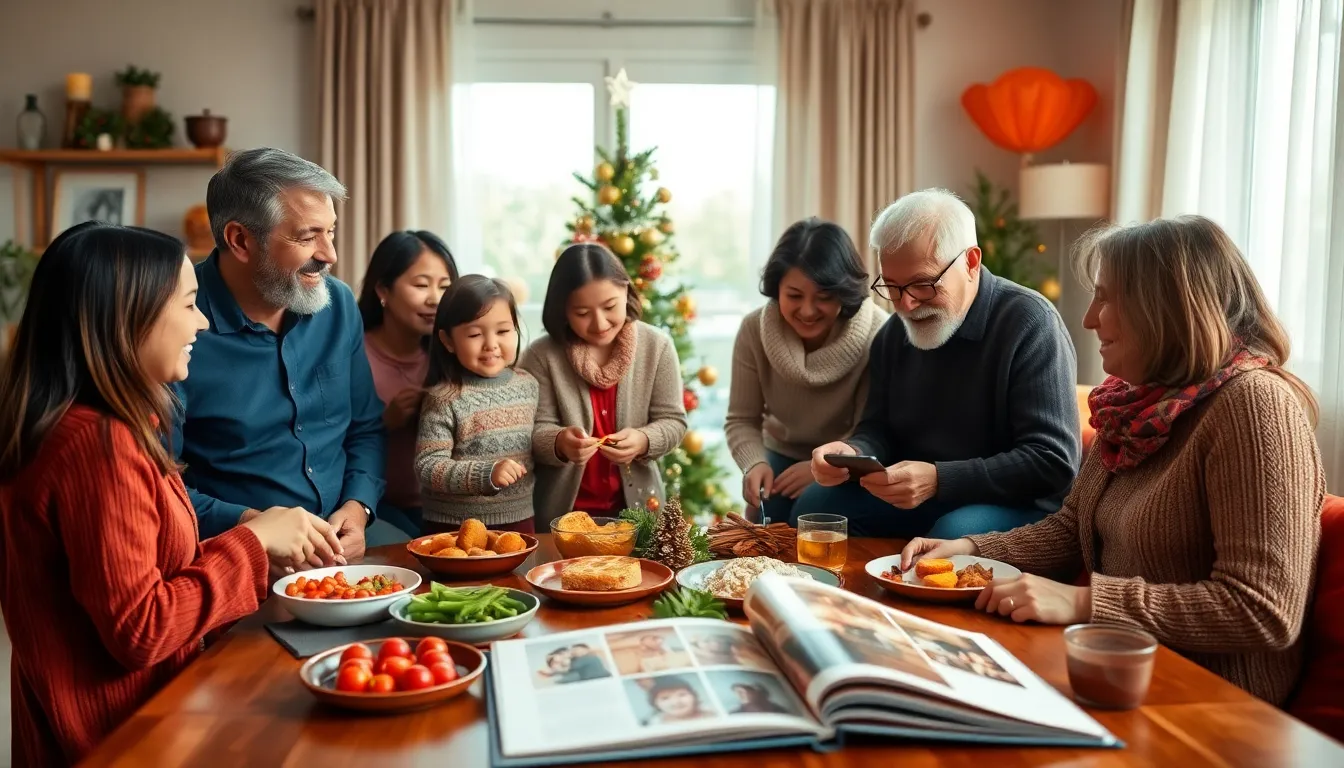
Family traditions play a pivotal role in our lives, often serving as the glue that holds families together. They bring structure and predictability to life, offering a comforting routine amidst the chaos of daily responsibilities. These traditions allow families to celebrate achievements, observe significant milestones, and share experiences that shape their identities. In many ways, they mirror the foundational principles that guide family values. By establishing traditions, families cultivate a sense of unity and reinforce their collective history, fostering a shared identity.
Also, traditions can act as a form of intergenerational storytelling. They provide a space for parents and grandparents to share stories and teach life lessons, ensuring that the wisdom of older generations isn’t lost. This intentional passing down of values forms a bridge between the past and present, allowing younger members to cultivate a sense of belonging that extends beyond their immediate experiences.
Types of Family Traditions
Family traditions come in various shapes and sizes, catering to different cultures, lifestyles, and interests. Here are some popular categories that many families embrace:
Seasonal and Holiday Traditions
Seasonal and holiday traditions often serve as some of the most anticipated events of the year. They can include anything from elaborate Thanksgiving dinners where everyone contributes a dish to a hilarious Christmas gift exchange that often results in laughter and perhaps a few on-the-spot performances. These moments are opportunities to create lifelong memories and foster a sense of belonging by gathering family members together, showcasing their shared history and cultural background.
Everyday Traditions
While holidays may take center stage, everyday traditions play a crucial role in daily family life. These routines may include weekly game nights, Sunday family dinners, or even simple rituals, like sharing highlights of the day during dinner. These little interactions encourage communication and help family members stay connected in their busy lives.
Cultural and Heritage Traditions
Cultural traditions often encompass practices or celebrations that have been passed down through generations. They might include traditional recipes, rituals during festivals, or observances of significant cultural events. These traditions allow families to honor their ancestry and express pride in their heritage, reinforcing both identity and unity.
Creating and Sustaining Family Traditions
Establishing new family traditions and keeping them alive can be both exciting and rewarding. Here are some handy tips for families looking to create lasting rituals:
How to Start New Traditions
To initiate a new family tradition, consider what activities resonate with everyone involved. They could be as simple as a monthly visit to a local museum or a ritual around a beloved movie night. The key is to ensure that the activity brings joy and engagement to all family members. Encouraging participation can help shape these traditions and make them feel genuinely owned by everyone.
Adapting Traditions Over Time
Traditions aren’t set in stone. Families might find that as members evolve, so too should their traditions. The needs and interests of family members may change over time, warranting adaptations to include new generations or even adjust focus based on life circumstances. Embracing flexibility ensures traditions maintain relevance and continue to foster joy.
The Role of Family Traditions in Building Bonds
Family traditions significantly contribute to strengthening the bonds among family members. The rituals provide opportunities for shared experiences, which foster emotional connections and build trust.
Strengthening Family Connections
Participating in shared traditions can help enhance interactions between family members. These activities serve as platforms for open communication, allowing individuals to express their thoughts and feelings in a supportive environment. As family members bond over traditions, they are more likely to develop lasting relationships based on love and mutual respect.
Passing Down Traditions to Future Generations
One of the most profound aspects of family traditions is the ability to pass them down to future generations. The stories, values, and lessons embedded within these practices become cherished narratives for younger members. When children partake in these rituals, they learn about their family history and cultural heritage. In doing so, they also develop their identities and the understanding that they are part of something larger than themselves.